Vitamin D – new powerful study
Dr. Weeks’ Comment: Vitamin D3 is strongly associated with lower cancer effect and lower mortality. In this recent definitive study describing the myriad benefits of […]
Vitamin D – new powerful study Read More »

Dr. Weeks’ Comment: Vitamin D3 is strongly associated with lower cancer effect and lower mortality. In this recent definitive study describing the myriad benefits of […]
Vitamin D – new powerful study Read More »
Dr. Weeks’ Comment: Having suffered kidney stones twice in my life, both at age 18 in the middle of the North sea aboard the Stavangeren,
Drinks effect kidney stones Read More »

Dr. Weeks’ Comment: Do you or someone you know have 3 pieces of bread before the waitress even arrives with the menu? If so,
Dr. Weeks’ Comment: This type of data begs an explanation – re-read it before you go under the knife. “In our study, female athletes
Knees worse after surgical repair Read More »
Dr. Weeks’ Comment: This makes sense to me! The heart of the giver makes the gift dear and precious. –Martin Luther King, Jr.
Survival of the Nicest Read More »

Dr. Weeks’ Comments: My long-time friend and colleague, Frank Shallenberger, who like me, has withstood harassment over the years by various state medical boards, writes
Free Choice without Real Options is no choice Read More »
Dr. Weeks’ Comment: Meta analysis (resifting the results from many studies) is a new trend in computer-aided refocusing of causality which, like the childhood game
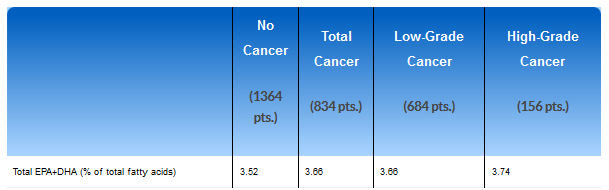
Dr. Weeks’ Comment: Science is nothing except a methodology for testing reality. It has no bias and doesn’t interest itself in the results, only the
Testosterone and Prostate Cancer Read More »
Dr. Weeks’ Comment: Yoga has many well known benefits – now offered in prisons, the merits are obvious! Prisoners Doing Yoga May See Psychological
Dr. Weeks’ Comment: Choline, a B vitamin found in eggs helps with memory (think “nerd” and “egg head”) so the vitamin B supplements not only
Choline for memory – “centsible” Read More »